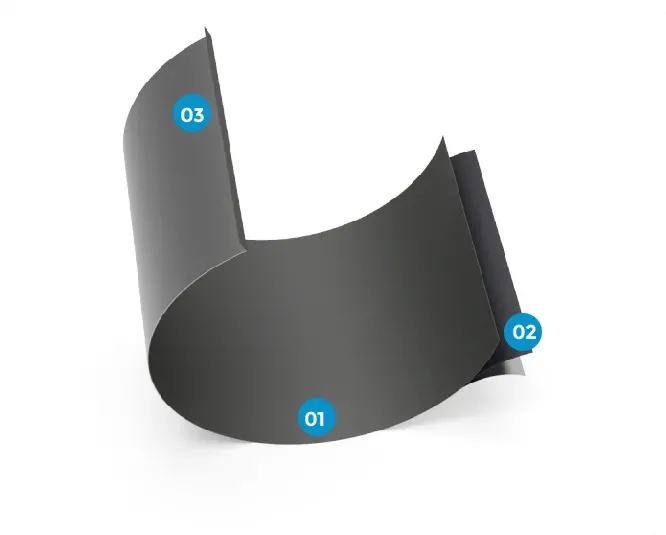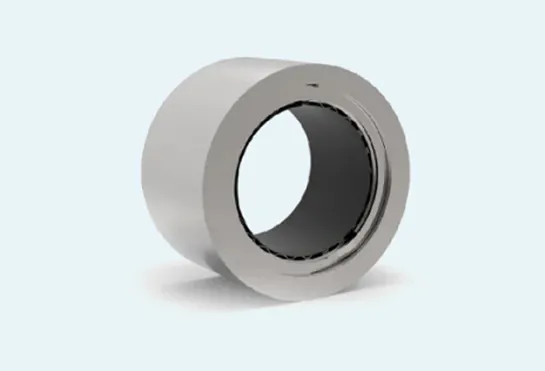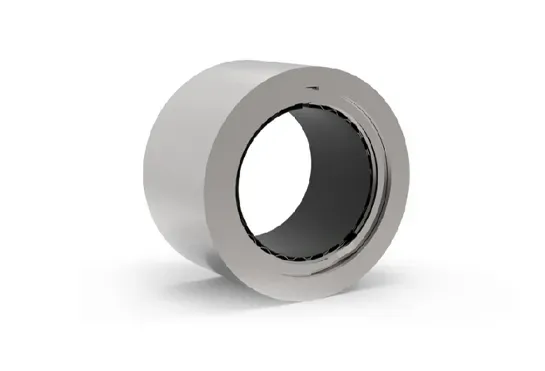


Air bearings utilize a thin layer of pressurized gas to maintain separation between bearing surfaces during high-speed operation. This pressurized gas must be robust enough to support both static loads, such as the weight of the shaft, and the imbalances of dynamic loads.
Dynamic loads arise from the combination of the shaft's unbalanced mass and critical modes. To a certain extent, rotodynamic analysis can predict these dynamic loads, which can be further reduced through precise balancing procedures and adjustments to the bearings' stiffness and damping characteristics.
In recent years, there has been a surge in demand for turbomachinery with shaft speeds exceeding 100 m/s. This trend is driven by the need for more compact machines that operate at faster speeds to achieve high-power outputs.